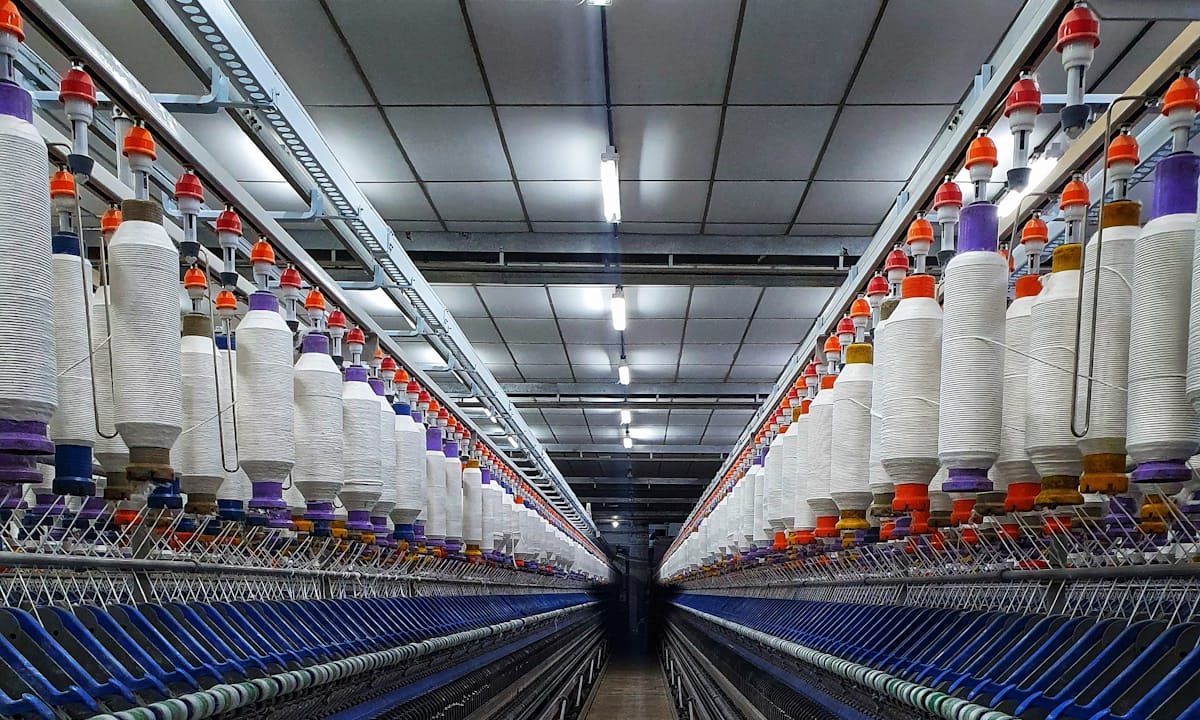
Fraction 01
Cotton-rich fractions
High-cotton material, colour-sorted (white / light / mid / dark), for cellulosic and mechanical recyclers.
- White
- Light
- Mid
- Dark
S.I.T.E., Karachi, Pakistan
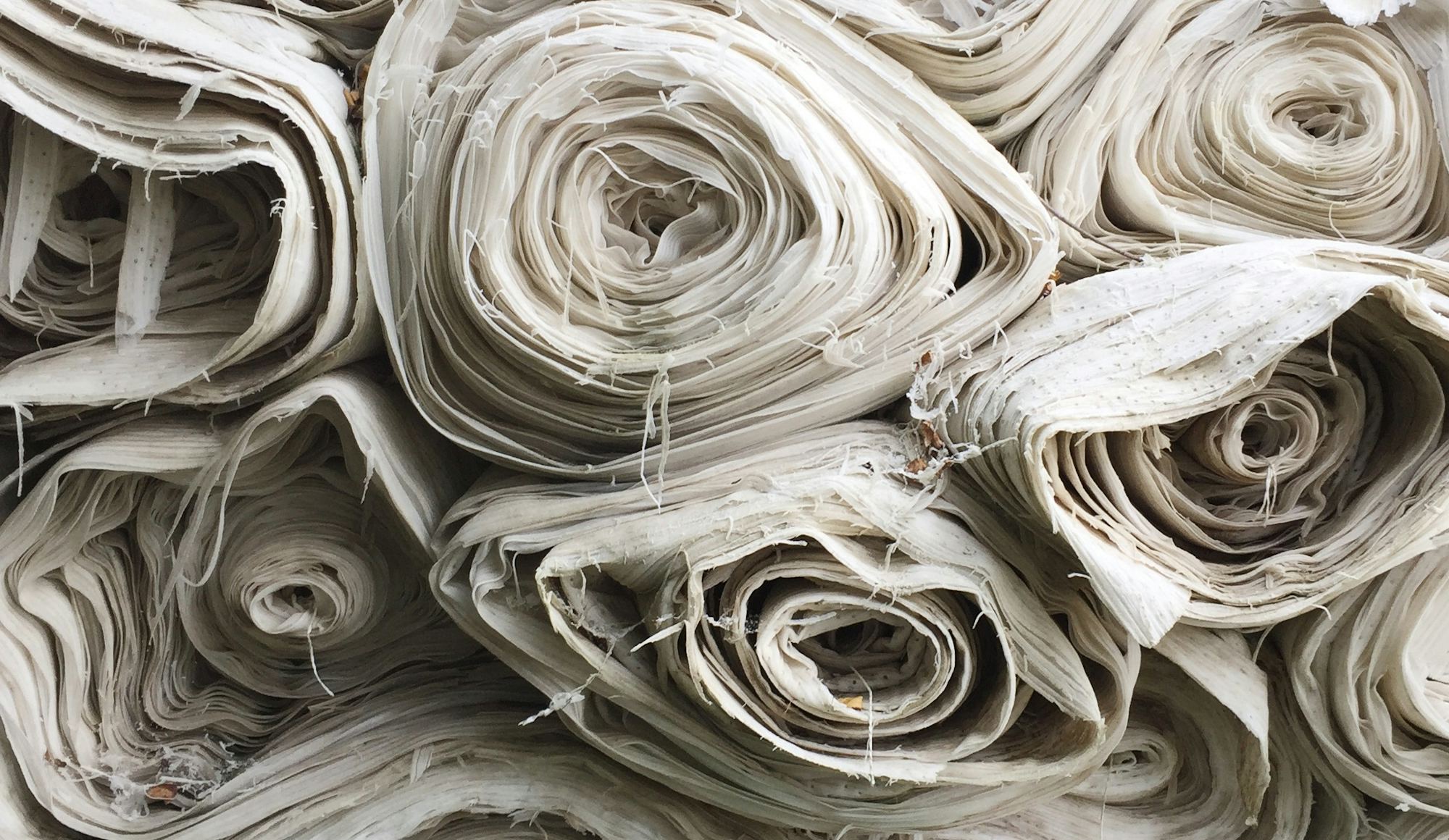
We turn Pakistan's textile waste into clean, composition-verified raw material for the world's textile-to-textile recyclers, backed by four decades of industrial heritage.
01 What we do
Textile recyclers can only use waste when they know exactly what it is made of. Most textile waste never reaches them in that form. It arrives mixed, unsorted, and undocumented, and is treated as low-value scrap.
GM Reuse closes that gap. We take factory cutting waste and used textiles, sort them by material composition, remove contaminants, verify them through independent laboratory testing, and pack them into bales that each carry a certificate proving exactly what is inside.
Composition-separated and colour-graded to each customer's exact requirement, not graded by appearance.
Every lot is laboratory-tested for fibre composition. The certificate, not our word, is what you rely on.
Each bale carries a unique lot record: composition, origin, processing, and chain of custody.
02 Why Pakistan
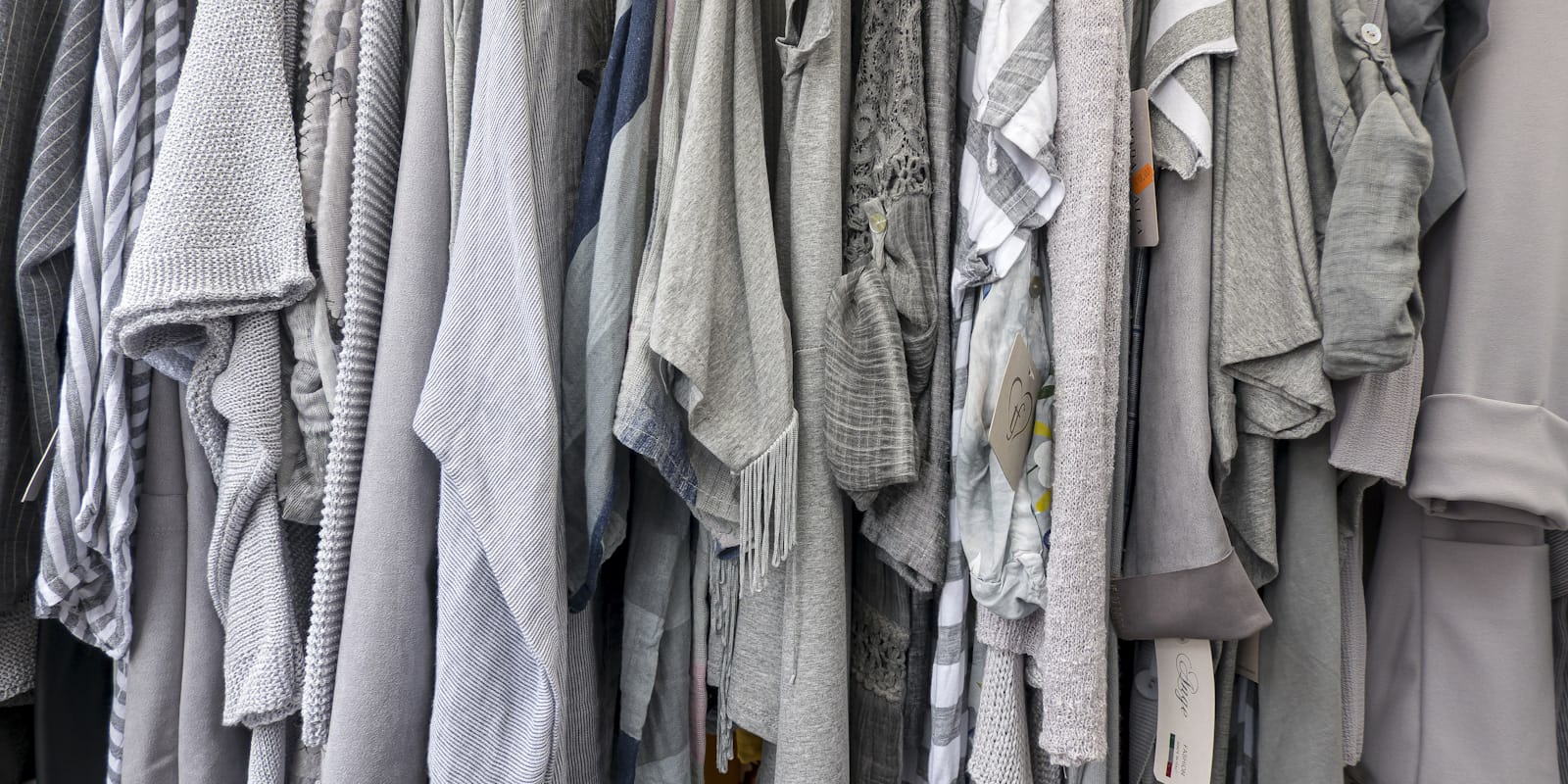
Pakistan is one of the world's largest textile economies and among the biggest importers of used clothing on earth, receiving over a million tonnes of textiles a year on top of a vast domestic garment-manufacturing sector. That scale generates an enormous, continuous stream of textile waste: factory cutting waste from export production, and the large share of imported used clothing that can no longer be worn.
Today, most of that material is down-cycled into rags or sent to landfill, because no one has prepared it to the standard the recycling industry needs. The raw material and the skilled labour exist here in abundance. The missing layer is sorting, verification, and traceability.
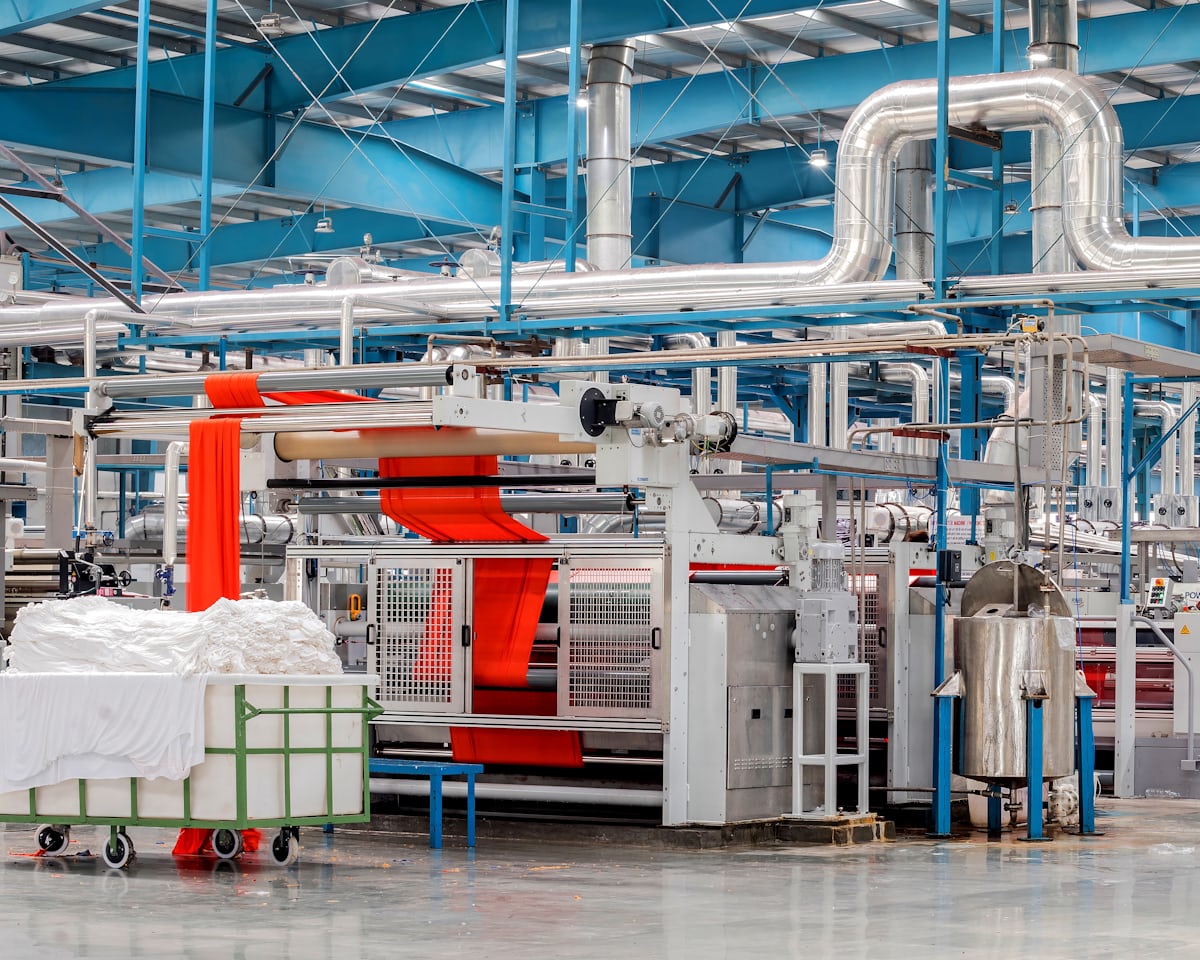
The missing layer
That layer is GM Reuse. We turn one of the world's largest under-used textile-waste streams into certified feedstock, putting Pakistan onto the sourcing map of the global recyclers who need it.
03 How we source
Good feedstock begins with reaching the material first. GM Reuse collects across the whole of Pakistan's textile economy, taking cutting waste, offcuts and surplus production straight from the factory floors of garment and apparel manufacturers, hosiery and knitwear units, spinning, weaving and finishing mills, and producers of home and technical textiles.
We also take in used textiles: post-consumer clothing and rags that have passed the end of their wearable life. Pakistan sits at the centre of both streams. It is among the world's largest importers of used clothing, taking in more than 1.1 million tonnes in a single year, while its own mills and factories ship close to US$18 billion of textiles abroad annually, around 60 per cent of everything the country exports.
Between what Pakistan manufactures and what it imports to wear, the volume of textile waste generated here is matched by few places on earth. We capture it while it is still clean and traceable, before it is mixed, down-cycled into rags, or buried in landfill.
Cutting waste, offcuts and surplus from export and domestic garment, hosiery and knitwear production.
Process waste from spinning, weaving and finishing, and from home and technical textile manufacturing.
Post-consumer clothing and rags, collected once they are beyond wearable life.
Every load enters our process traceable to where it came from, and recycled before it is ever thrown away.
04 What we supply
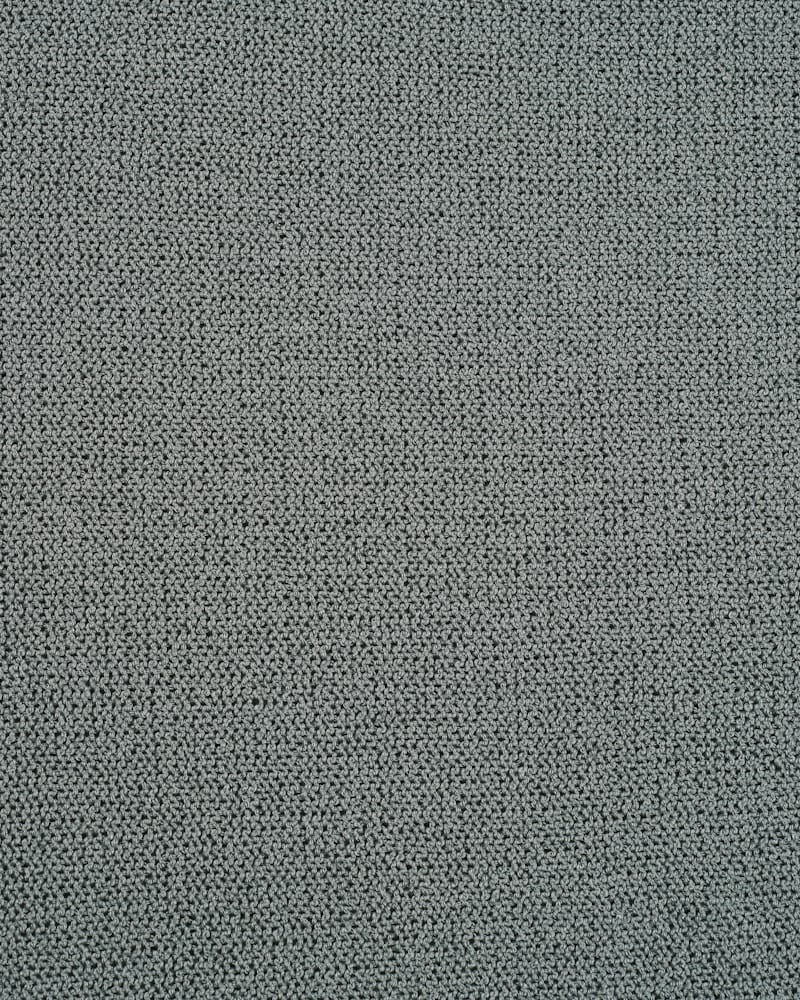
We supply composition-separated, colour-graded, certified feedstock fractions:
Fraction 01
High-cotton material, colour-sorted (white / light / mid / dark), for cellulosic and mechanical recyclers.
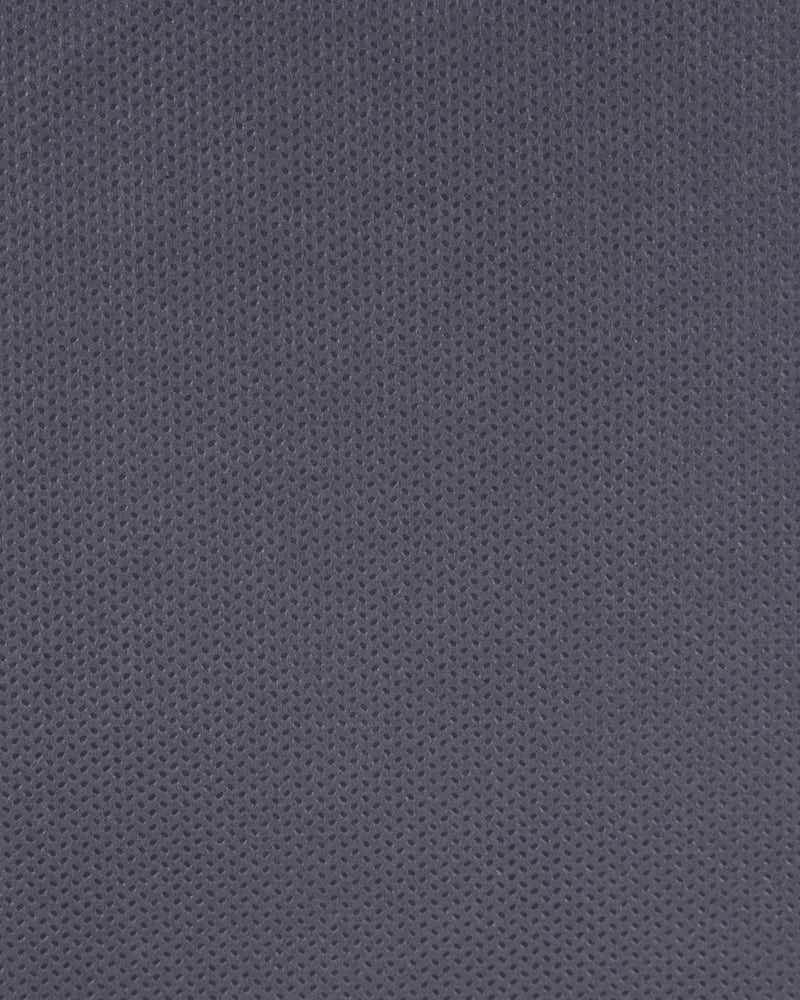
Fraction 02
Sorted by blend, for chemical recyclers processing polycotton.
Fraction 03
For polyester recovery.
Every fraction is de-trimmed, moisture-controlled, laboratory-verified, and delivered with full documentation to each customer's published specification. We supply both international recyclers and domestic mills.
05 Our standards
Our product is not only the material. It is the proof that travels with it.
Independent laboratory testing on every lot, with fibre composition verified.
Per-lot digital certificates covering composition, colour, weight, moisture and origin.
Full chain of custody, from source factory to delivered container.
Contaminant control, with trims, hard parts and coated material removed.
Certification pathway, building toward GRS and RCS as we scale.
Turning Pakistan's textile waste into raw material instead of landfill or incineration.
Every certified tonne reduces the need for newly produced cotton and polyester.
Clean, verified feedstock that lowers recyclers' costs and supports their recycled-content goals.
06 Our purpose
We exist to keep textiles in use and out of landfill, and to make that commercially real, not just aspirational.
Every tonne we sort and certify is a tonne diverted from being burned or buried, and a tonne of virgin fibre that need not be produced. But sustainability only scales when it works economically. That is why our real work is making the recyclers' job easier: clean, composition-verified, consistent feedstock lowers their processing cost, reduces their waste, and helps them hit the recycled-content targets their customers and regulators now demand.
We succeed when our customers succeed. Their efficiency, their yield, and their sustainability goals are the measure of our work.
07 Our heritage
GM Reuse is the textile-circularity venture of the GM Sons Group, a Karachi industrial manufacturing group established in 1982.
For over four decades, GM Sons has built, run, and grown manufacturing operations in Karachi's industrial heart, with the premises, the workforce, and the operating discipline that only time builds. GM Reuse applies that heritage to a new field: preparing recycled-textile feedstock to the standard the global recycling industry now demands.
GM Sons Group
Established 1982
In a market where reliability and documentation are everything, GM Reuse is not a new trader. It is an established industrial group extending four decades of experience into circular textiles.
08 Contact
Whether you are a recycler seeking certified feedstock, or a supplier of textile waste, we would like to hear from you.
Email us